Choosing a 3PL Partner: What Matters Most to Brands Today

Megan Krauss • April 20, 2026

What Matters Most When Choosing a 3PL Partner?
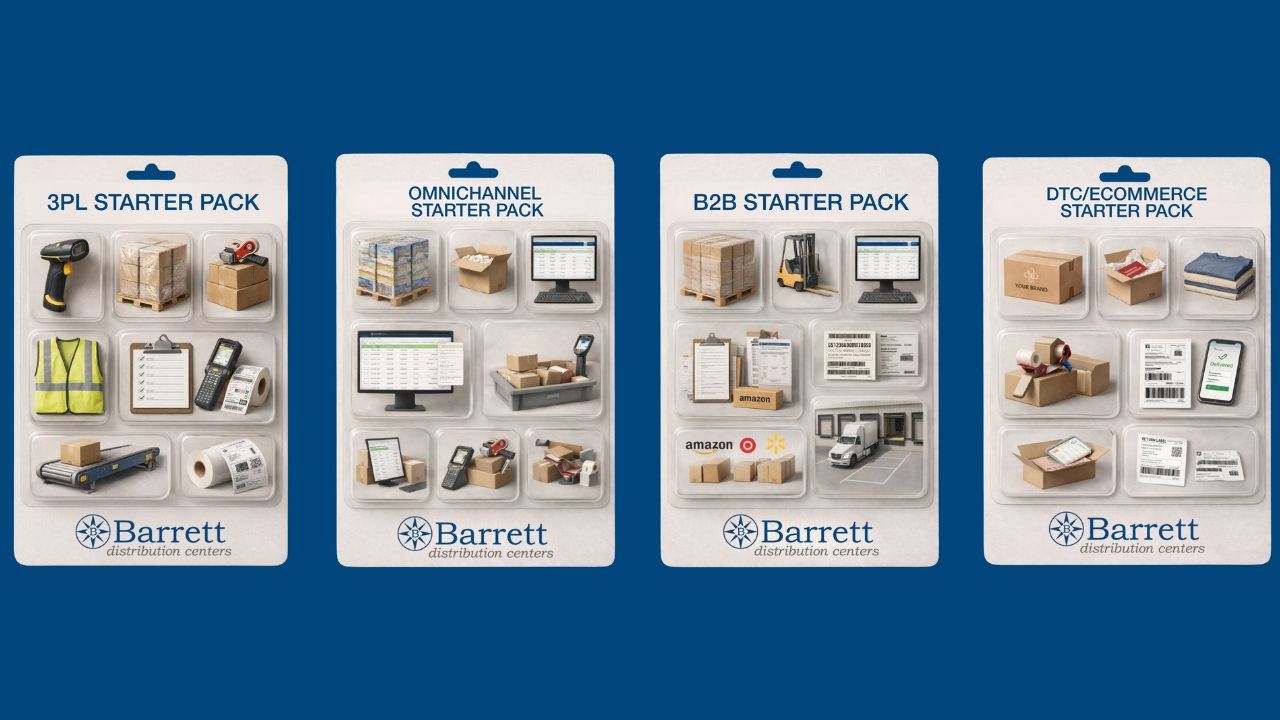
Choosing the right third-party logistics (3PL) partner is one of the most important decisions a growing brand can make. The right provider does more than move product. They directly impact customer satisfaction, operational efficiency, and long-term scalability.


We recently asked our network:


What matters most when choosing a 3PL partner?

Here is how the results broke down:

  • Customer Service & Communication: 45%
  • Inventory Accuracy: 23%
  • Speed & Order Cycle Time: 18%
  • Technology & Integrations: 14%


The takeaway is clear. While operational capabilities matter, service and communication stand out as the most important factor. That reflects a broader shift in how brands evaluate their logistics partners.


Customer Service & Communication: The Top Priority

With 45% of respondents selecting it as the most important factor, communication is not just a support function. It is the foundation of a strong partnership.


Even the best operations encounter challenges. What separates great 3PLs is how they respond.


Strong communication ensures:

  • Faster issue resolution
  • Clear alignment on priorities and expectations
  • Proactive identification of risks
  • A more strategic, less transactional relationship


Barrett emphasizes proactive communication and structured account management, including regular business reviews and ongoing collaboration.


Support includes:

  • Dedicated account management teams
  • Facility-level and strategic support
  • Continuous improvement initiatives


Bottom line: Brands want a partner that communicates early, often, and with clarity.


Inventory Accuracy: The Backbone of Operations

Coming in second at 23%, inventory accuracy remains a critical operational priority.


If inventory data is off, the ripple effects are immediate:

  • Stockouts and overselling
  • Incorrect or delayed shipments
  • Increased returns and customer dissatisfaction
  • Lost revenue


Best-in-class 3PLs invest heavily in:

  • Cycle counting and validation processes
  • Lot and expiration tracking for regulated products
  • Real-time inventory visibility


Barrett’s operations are built around strict inventory controls, KPI tracking, and continuous improvement processes to ensure accuracy at scale.


Bottom line: Accuracy builds trust, both operationally and with end customers.


Speed & Order Cycle Time: Still a Critical Expectation

At 18%, speed ranked third, but that does not mean it is less important. It reflects the reality that speed is now expected, not optional.


Fast fulfillment directly impacts:

  • Customer satisfaction and repeat purchases
  • Marketplace performance and retail compliance
  • Brand perception


Speed requires:

  • Efficient order processing
  • Same-day or next-day fulfillment capabilities
  • Optimized workflows and labor planning
  • Strategic facility locations


At Barrett, speed is supported by real-time tasking and engineered workflows designed to meet strict service level agreements.


Bottom line: Speed is the baseline. Consistency is what sets providers apart.


Technology & Integrations: The Quiet Enabler

While technology and integrations ranked lowest at 14%, they play a critical role behind the scenes.


Technology may not always be the first thing brands think about, but it enables everything else.


Key capabilities include:

  • Seamless integrations with ERP systems, EDI, and ecommerce platforms
  • Real-time visibility into inventory and orders
  • Advanced reporting and analytics
  • Automation to reduce errors and improve efficiency


Barrett’s technology stack includes tier 1 warehouse and transportation systems, along with integrated analytics and customer dashboards for real-time visibility.


Bottom line: Technology may be less visible, but it is essential to scaling without disruption.


What the Results Really Mean

The results highlight an important shift in how brands evaluate 3PL partners.


Operational execution is expected. What differentiates providers is the ability to:

  • Communicate proactively
  • Maintain accuracy at scale
  • Deliver consistent speed
  • Provide visibility through technology


In other words, brands are not just choosing a vendor. They are choosing a partner they can rely on.


What This Means for Your 3PL Strategy

If you are evaluating a 3PL partner, these results offer a clear lens into what matters most to today’s brands.


It is not enough to move quickly or operate efficiently in isolation. The strongest partners bring together:

  • Clear, proactive communication
  • Consistent inventory accuracy
  • Reliable, scalable fulfillment speed
  • Technology that provides visibility and control


The fact that customer service and communication ranked highest reinforces a simple truth. Brands are not just outsourcing logistics. They are trusting a partner to represent their business at every stage of the customer experience.


That is why the right 3PL relationship goes beyond execution. It is built on alignment, transparency, and the ability to adapt as your business grows.

Recent Blog Posts
By Faith Artieda May 15, 2026
For years, the logistics industry has talked about automation as if warehouses will eventually run themselves. Robotics, AI, and warehouse technology have absolutely transformed fulfillment operations — and they will continue to play an important role in the future of supply chains. But despite the headlines, one thing remains true: great warehouse operations still depend on great people.  At Barrett Distribution, technology is designed to support our teams, not replace them. Behind every successful shipment, inventory count, retailer-compliant order, and customer experience is a team of people making critical operational decisions every day. Warehousing Is Still a People Business Automation can improve efficiency, reduce repetitive tasks, and help operations scale. But fulfillment is far more dynamic than many people realize. Every day, warehouse teams are adapting to changing order volumes, retailer requirements, customer expectations, inventory challenges, transportation disruptions, and seasonal spikes. Technology helps create visibility and efficiency, but people are what keep operations moving when conditions change. That human element is especially important in omnichannel fulfillment environments where accuracy, flexibility, and responsiveness matter just as much as speed. The Best Operations Combine Technology and Experience At Barrett, operational excellence comes from combining modern logistics technology with experienced warehouse teams who understand the importance of execution. Our facilities utilize advanced warehouse management systems, transportation systems, robotics, reporting tools, and analytics platforms to improve efficiency and visibility. But technology alone does not create strong customer partnerships or consistent service levels. Experienced team members help drive inventory accuracy, quality control, retailer compliance, process improvement, customer responsiveness, and operational consistency. The most successful logistics operations are built around people who care about the outcome. A Culture Built Around People One of the things that stands out most when visiting Barrett facilities is the culture inside the buildings. During recent visits to several Barrett warehouse locations, one thing became immediately clear: the people are the foundation of the operation. Teams take pride in their work, support each other, and genuinely care about the customers and brands they serve. In many facilities, Barrett has employees and families who have worked with the company across multiple generations. That kind of long-term commitment says a lot about the culture that has been built over decades. Warehousing can often be viewed as transactional from the outside, but the reality is much different. Strong operations are built by people who show up every day with experience, accountability, and a shared commitment to getting the job done the right way. Automation Should Support Employees — Not Replace Them The future of logistics will absolutely include more automation and technology. But the goal should not be removing people from operations entirely. The best warehouse technology allows employees to work more efficiently, reduce unnecessary movement, improve accuracy, prioritize higher-value tasks, and make faster operational decisions. At Barrett, technology investments are focused on empowering teams and improving customer outcomes while maintaining the people-first culture that has helped drive long-term growth and customer relationships. The Human Side of Fulfillment Still Matters In an industry increasingly focused on speed and automation, it is easy to overlook the people behind the operation. But successful fulfillment still depends on communication, accountability, problem-solving, and operational experience. That human side of logistics is what allows strong warehouse operations to adapt, improve, and consistently deliver for customers. At Barrett Distribution, the combination of experienced people, operational discipline, and technology-enabled fulfillment continues to be a key differentiator — because even in a highly automated world, supply chains still run on people.
By Faith Artieda May 12, 2026
The Growing Challenge of Food Supply Chains The food and beverage supply chain has become increasingly difficult to manage. Brands are navigating rising transportation costs, shifting consumer demand, retail compliance requirements, and ongoing disruptions across ports and carrier networks. For many companies, reducing supply chain risk now starts with warehouse strategy. One of the most effective ways food brands can improve resiliency is by positioning inventory closer to major East Coast ports and consumer markets. Strategic warehousing allows companies to move products through the supply chain faster while improving visibility, reducing delays, and creating greater flexibility across retail and ecommerce channels. Why Port Proximity Matters For import-heavy brands, proximity to East Coast ports can have a major operational impact. Facilities located near ports like Baltimore allow inventory to move from container to distribution more efficiently. This helps brands reduce drayage costs, improve inventory availability, shorten replenishment timelines, and respond faster to changing demand. By reducing the distance between inbound freight and final distribution, brands can create a more agile and responsive supply chain. Faster Access to East Coast Consumers East Coast warehousing also provides access to some of the largest consumer populations in the country. Strategically positioning inventory closer to customers helps brands improve parcel transit times, support retailer distribution requirements, lower transportation spend, and improve the overall customer experience. As delivery expectations continue to rise, warehouse location plays a larger role in both customer satisfaction and operational efficiency. The Importance of Food-Grade Warehousing For food brands specifically, facility standards and inventory controls are critical. Food-grade warehousing requires more than storage capacity. Companies need strong operational processes to maintain product integrity and compliance throughout the supply chain. Key capabilities food brands should prioritize include: Lot tracking and expiration date management Strong inventory accuracy controls Retail compliance expertise Omnichannel fulfillment capabilities Strong inventory controls help reduce spoilage risk, improve traceability, and maintain service levels across all sales channels. Managing Omnichannel Fulfillment Complexity Many food and beverage companies now support a mix of retail distribution, Amazon replenishment, direct-to-consumer fulfillment, and wholesale operations simultaneously. Managing these channels efficiently requires flexible infrastructure and integrated systems that support both B2B and ÒÁÈËÖ±²¥ operations. As brands grow, fulfillment partners must be able to scale operations while maintaining accuracy, compliance, and visibility across the supply chain. Technology and Visibility Reduce Risk Technology also plays a significant role in reducing supply chain risk. Real-time visibility gives brands the ability to make faster operational decisions and identify issues before they impact customers. Modern logistics technology should provide: Real-time inventory visibility Order and shipment tracking KPI reporting and analytics With better visibility into inventory and fulfillment performance, brands can operate more proactively and reduce costly disruptions. Building a More Resilient Supply Chain At Barrett Distribution, food and beverage brands benefit from strategically located East Coast warehousing, food-grade operational standards, omnichannel fulfillment expertise, and technology-enabled visibility tools designed to support scalable growth. Barrett’s Curtis Bay, Maryland facility, located near the Port of Baltimore, supports consumer products and food brands with strong inventory controls, retail compliance capabilities, and integrated fulfillment operations.  While supply chain disruptions may continue to evolve, brands that invest in strategic warehousing and operational flexibility will be better positioned to improve service levels, reduce transportation challenges, and build more resilient supply chains for long-term growth.
By Faith Artieda May 11, 2026
How Beauty Brands Avoid Expiration Risk (and Costly Retail Chargebacks)
More Posts