The Barrett Blog
The latest news, trends, and insights in supply chain logistics from Barrett's own team of subject matter experts.
As businesses grow, managing inventory, shipping orders, and meeting customer expectations becomes increasingly complex. That's where a third-party logistics provider, or 3PL , can make a significant difference. 锘� A 3PL is a company that manages some or all of your supply chain operations, including warehousing, order fulfillment, transportation, inventory management, and value-added services. Instead of investing in your own warehouse, technology, and fulfillment staff, you partner with a logistics expert that has the infrastructure and expertise already in place. So, how do you know if it's time to make the switch? If your team is spending more time packing orders than growing the business, struggling to keep up with demand, or facing rising shipping costs, partnering with a 3PL may be the next step. Businesses also turn to 3PL providers when expanding into new markets, launching new sales channels, or looking to improve delivery speed without increasing overhead. The right 3PL does more than store inventory. It becomes an extension of your business, providing the technology, visibility, and operational support needed to scale efficiently. Features like real-time inventory tracking, transportation management, retail compliance, and value-added services help streamline operations while improving the customer experience. At Barrett Distribution, we provide customized third-party logistics solutions backed by more than 80 years of experience. Our nationwide network of strategically located fulfillment centers supports both B2B and direct-to-consumer operations, allowing customers to reach more consumers faster while maintaining inventory accuracy and operational efficiency. With advanced warehouse management technology, transportation solutions, and a dedicated customer support team, Barrett helps businesses simplify logistics so they can focus on growth. Whether you're a fast-growing ecommerce brand or an established manufacturer looking to optimize your supply chain, partnering with the right 3PL can reduce costs, improve service, and position your business for long-term success.

As your business grows, the warehouse that once supported your operations may start holding you back. What worked when you were shipping a few hundred orders a week may no longer be able to keep pace with rising order volumes, expanding sales channels, or increasing customer expectations. Recognizing the warning signs early can help you avoid fulfillment disruptions, rising costs, and dissatisfied customers. Here are seven indicators that it may be time to evaluate a new warehouse or 3PL partner. 1. Orders Are Taking Longer to Ship Today's customers expect fast, reliable delivery. If order processing times are increasing or you're struggling to meet shipping deadlines, your warehouse may have reached its capacity. Delays can impact customer satisfaction, retailer scorecards, and your brand's reputation. At Barrett Distribution, our facilities are supported by advanced warehouse management technology and engineered processes designed to maintain fast, accurate fulfillment as order volumes grow. 2. Inventory Accuracy Is Becoming a Challenge Frequent inventory discrepancies, stockouts, or overselling are often signs that your current operation lacks the systems and controls needed to scale. Modern warehouses should provide real-time inventory visibility, robust cycle counting programs, and reliable lot and expiration tracking where required. Barrett combines these inventory controls with customer reporting and analytics to help businesses make informed supply chain decisions. 3. You're Selling Across More Channels Many businesses now serve retailers, ecommerce customers, marketplaces, and wholesale distributors simultaneously. If your warehouse struggles to manage different order requirements, routing guides, or compliance standards, it may not be equipped for true omnichannel fulfillment. Barrett specializes in supporting both B2B and direct-to-consumer fulfillment from the same network, helping brands maintain consistent service levels across every sales channel. 4. Your Warehouse Can't Scale with Seasonal Demand Peak seasons shouldn't require scrambling for labor or turning away business. A warehouse partner should have the space, workforce, and operational processes to scale alongside your business during promotions, product launches, and holiday demand. With more than 6 million square feet of warehouse space across multiple U.S. markets, Barrett provides customers with the flexibility to grow without constantly worrying about capacity constraints. 5. You Have Limited Visibility into Your Operations If you're relying on spreadsheets or waiting for someone to send reports, you're missing valuable opportunities to improve performance. Today's logistics operations should provide real-time access to inventory, order status, shipping metrics, and key performance indicators. Barrett's customer portal and embedded analytics give customers greater visibility into their operations, helping them identify trends and make data-driven decisions. 6. Transportation Costs Continue to Rise Your warehouse location has a direct impact on shipping costs and delivery times. If you're shipping nationwide from a single facility that no longer aligns with your customer base, transportation expenses can quickly increase. Barrett's nationwide fulfillment network allows businesses to position inventory closer to customers, reducing transit times while helping optimize parcel and freight costs. 7. Your 3PL Feels Like a Vendor, Not a Partner Perhaps the biggest sign you've outgrown your current warehouse is the relationship itself. A strong 3PL should do more than process orders—it should proactively recommend improvements, communicate regularly, and help your business adapt as it grows. At Barrett, every customer is supported by dedicated operations teams, strategic account management, and a culture of continuous improvement. From onboarding through ongoing optimization, the focus is on building long-term partnerships that evolve alongside each customer's business. Is It Time to Reevaluate Your Fulfillment Strategy? Growth is a good problem to have—but only if your logistics operation can keep up. If any of these signs sound familiar, it may be time to assess whether your current warehouse is supporting your long-term goals. 锘� With more than 80 years of experience, a nationwide network of strategically located facilities, advanced technology, and expertise across ecommerce, retail, and omnichannel fulfillment, Barrett Distribution helps businesses scale with confidence. The right warehouse partner doesn't just store inventory—it becomes an extension of your business, helping you deliver a better experience to your customers every step of the way.

When businesses think about major U.S. logistics hubs, cities like Los Angeles, Chicago, and Dallas usually come to mind. However, Memphis has quietly become one of the country's most strategic locations for distribution. Its central geography, world-class transportation infrastructure, and access to major parcel networks make it an ideal location for companies looking to improve delivery speed while controlling costs. 锘� For businesses with customers across the country, Memphis offers a unique advantage. Its location allows products to reach much of the U.S. within one to two days by ground, helping brands reduce transit times without the complexity of operating multiple distribution centers. As customer expectations for faster shipping continue to rise, a centrally located warehouse can make a measurable difference in both service levels and transportation spend. A key reason Memphis stands out is its role as home to the FedEx World Hub. The city's direct connection to one of the largest air cargo operations in the world supports faster parcel movement, later shipping cutoffs, and greater flexibility for ecommerce and omnichannel fulfillment. Combined with major interstate highways, rail service, and Mississippi River access, Memphis provides businesses with multiple transportation options that strengthen supply chain resilience. Beyond transportation, Memphis remains an attractive market because of its competitive operating costs. Warehouse space, labor availability, and room for expansion often make it a more economical choice than many coastal markets. For growing companies, this creates an opportunity to scale operations without significantly increasing logistics costs. At Barrett Distribution, we've recognized the strategic value of Memphis for years. Our five Memphis-area facilities are designed to support both B2B and direct-to-consumer fulfillment, allowing customers to serve retail partners, ecommerce shoppers, and marketplaces from a centrally located network. Backed by advanced warehouse management technology, transportation management systems, real-time inventory visibility, and value-added services, our Memphis operations help customers improve efficiency while maintaining the flexibility to grow. For brands looking to strengthen their national distribution strategy, Memphis offers a compelling combination of speed, connectivity, and scalability. Paired 伊人直播's nationwide network of fulfillment centers, businesses can build a distribution strategy that shortens delivery times, reduces transportation costs, and positions them for long-term growth.
Choosing the right warehouse location is one of the most important decisions a business can make. Where you store inventory directly impacts shipping costs, delivery speeds, customer satisfaction, and your ability to scale. While there's no one-size-fits-all answer, understanding the strengths of East Coast and West Coast warehousing can help you build a more efficient supply chain. For many growing businesses, the ideal solution isn't choosing one coast over the other—it's developing a network that positions inventory closer to customers. The Advantages of West Coast Warehousing West Coast warehouses are often the first stop for imported goods arriving from Asia. Ports such as Los Angeles, Long Beach, and Oakland handle a significant portion of U.S. imports, making California a natural choice for businesses with international supply chains. A West Coast distribution center can reduce inbound transportation costs and shorten the time it takes to move imported products into inventory. It's also well-suited for serving customers throughout California and the western United States, where population centers continue to grow. Barrett Distribution's California facilities help customers receive imported goods quickly while supporting both retail and direct-to-consumer fulfillment throughout the West. The Advantages of East Coast Warehousing An East Coast warehouse offers different—but equally valuable—benefits. Nearly half of the U.S. population lives east of the Mississippi River, making locations along the East Coast ideal for businesses looking to reduce transit times to major consumer markets. Strategically located facilities also provide access to major ports, interstate highways, parcel hubs, and rail networks. For companies importing goods from Europe or expanding into densely populated markets in the Northeast and Mid-Atlantic, East Coast warehousing can improve delivery speed while lowering transportation costs. Barrett operates facilities throughout New Jersey, Massachusetts, Maryland, New York, and Virginia, giving customers access to key logistics corridors and major metropolitan markets. For food and consumer packaged goods companies, Barrett's Curtis Bay, Maryland facility also offers food-grade capabilities and is located just miles from the Port of Baltimore. When a Multi-Warehouse Strategy Makes Sense As businesses grow, many discover that relying on a single distribution center is no longer enough. A multi-warehouse strategy allows inventory to be positioned closer to customers across different regions, reducing shipping zones, lowering parcel costs, and improving delivery performance. This approach also creates greater supply chain resilience. If weather events, port disruptions, or transportation issues affect one region, inventory in another facility can help maintain service levels. With 19 facilities across major U.S. markets, Barrett helps businesses design scalable distribution strategies that support both today's demand and tomorrow's growth. Whether serving retail partners, ecommerce customers, or both, our nationwide network gives customers the flexibility to expand without rebuilding their supply chain from scratch. Which Strategy Is Best for Your Business? The right warehouse strategy depends on several factors, including where your customers are located, where your products are manufactured, your shipping profile, and your growth plans. A West Coast warehouse may be the best fit if most of your products are imported from Asia or your customer base is concentrated in the western U.S. An East Coast location may provide better service if you're targeting dense population centers along the Atlantic seaboard or importing through East Coast ports. 锘� For many companies, however, the most effective solution is a combination of both. By leveraging Barrett's nationwide fulfillment network, businesses can strategically position inventory, reduce transportation costs, improve delivery times, and build a supply chain that's ready to scale as demand grows. Whether you're expanding into new markets or reevaluating your current distribution strategy, Barrett Distribution has the facilities, technology, and operational expertise to help you create a warehouse network that supports long-term success.
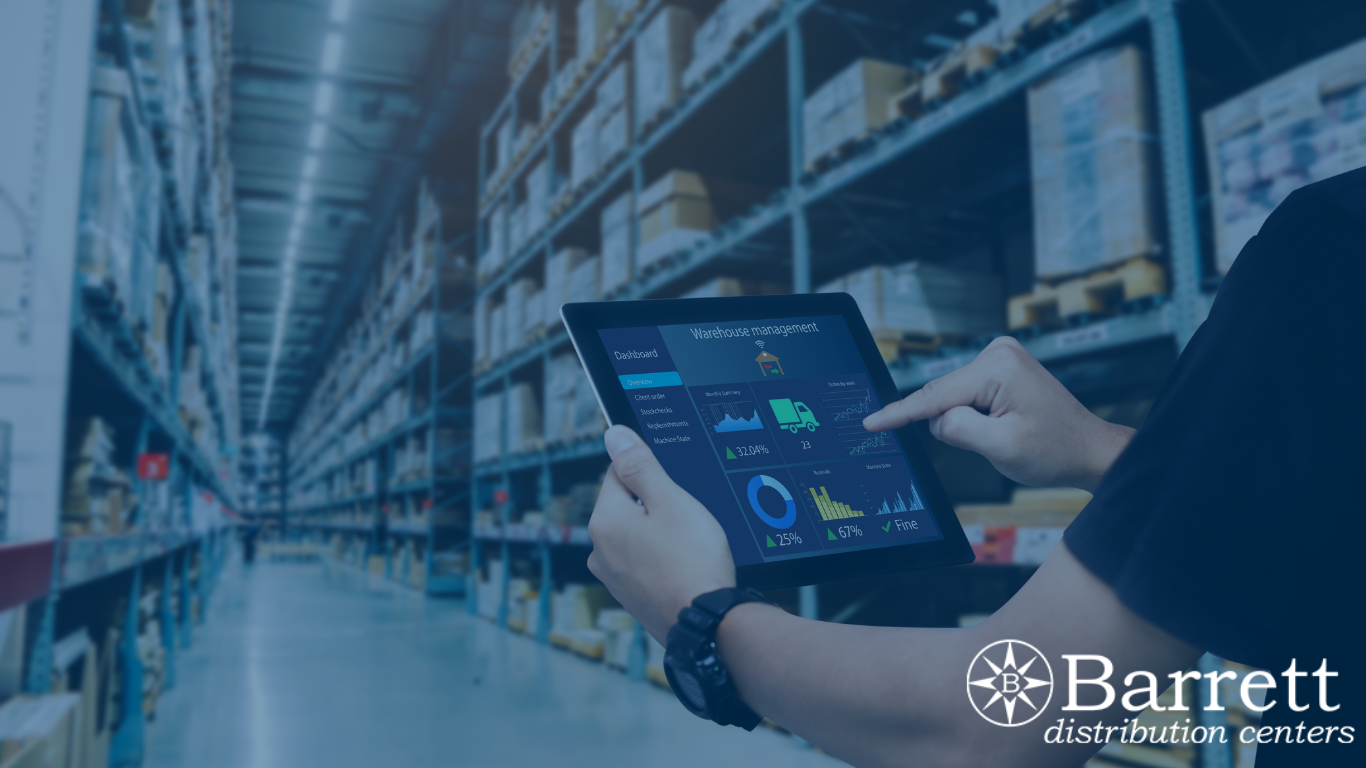
If you work in supply chain, you've probably heard the term omnichannel fulfillment so many times that it's started to lose meaning. It's become one of those logistics buzzwords that gets thrown around in conference sessions and sales presentations. But for brands trying to grow, omnichannel fulfillment isn't a trend—it's an operational reality. A decade ago, many brands sold through one or two channels. Today, a single brand might be shipping direct-to-consumer orders, replenishing Amazon inventory, fulfilling wholesale accounts, and managing retail compliance requirements simultaneously. The challenge isn't opening new sales channels. The challenge is supporting all of them without creating separate supply chains for each one. That's what omnichannel fulfillment really means in 2026. It's the ability to manage retail, ecommerce, marketplace, and wholesale fulfillment through a unified operation that provides inventory visibility, operational flexibility, and a consistent customer experience. And that's easier said than done. Many growing brands find themselves adding channels faster than they add infrastructure. What started as an ecommerce fulfillment operation suddenly needs to support retailer routing guides, EDI requirements, compliance labeling, and increasingly complex inventory management. Before long, inventory gets fragmented, processes become reactive, and fulfillment starts slowing growth instead of enabling it. The brands that navigate this successfully tend to have one thing in common: they stop thinking about fulfillment as a warehouse function and start treating it as a strategic part of their business. That's where the right logistics partner can make a significant difference. At Barrett, omnichannel fulfillment has been at the core of our business for decades. We support brands across retail, ecommerce, wholesale, and marketplace channels from a nationwide network of distribution centers designed to handle the complexities of modern commerce. What makes omnichannel fulfillment work isn't simply having warehouse space. It's having the systems, processes, and expertise to manage different order profiles, customer requirements, and service expectations within a single operation. A direct-to-consumer order and a retail replenishment shipment may originate from the same inventory, but they require very different workflows. One may involve individual pick-and-pack fulfillment with rapid delivery expectations, while the other demands strict retailer compliance, ASN management, and precise routing instructions. Barrett's operations are built to support both. Our technology ecosystem connects warehouse management, transportation management, customer reporting, and trading partner integrations to provide visibility across the supply chain. Combined with dedicated account management and continuous improvement initiatives, this allows customers to scale into new channels without constantly rebuilding their logistics infrastructure.The result is a fulfillment operation that can adapt as a business grows. Whether a brand is expanding into major retail accounts, increasing ecommerce volume, launching on Amazon, or managing all three simultaneously, the goal remains the same: create a seamless experience for customers while maintaining operational efficiency behind the scenes. Because in today's market, customers don't think about channels. They simply expect products to arrive on time and accurately. The companies that succeed in 2026 will be the ones that can deliver that experience consistently, regardless of where the order originated. That's the promise of omnichannel fulfillment—and it's why more brands are looking for logistics partners that can do more than move inventory. They're looking for partners that can help them grow.
Launching a new fulfillment partnership is about more than inventory transfers, system integrations, and shipping orders. It's the start of a relationship built on trust, collaboration, and a shared commitment to delivering exceptional customer experiences. At Barrett Distribution, we believe a successful go-live deserves to be celebrated. 锘� After months of planning, onboarding, testing, and preparation, launch day represents a major milestone for both our clients and our team. That's why we don't simply flip a switch and start shipping. We make the day memorable, meaningful, and reflective of the brand we're proud to support. Here's what happens when a new brand goes live at Barrett. A Warehouse Celebration Designed Around the Brand Walk into a Barrett facility on launch day, and you may notice something unusual. The warehouse is often transformed with themed decorations, branded signage, and creative touches inspired by the client. From custom displays to branded treats and team apparel, our operations teams embrace the excitement of welcoming a new partner. These celebrations aren't marketing events or publicity stunts. They're our way of saying thank you. Thank you for trusting us with your products, your customers, and your brand reputation. We understand that choosing a fulfillment partner is a significant decision. A successful launch represents countless hours of work by both organizations, and we believe it's worth recognizing. The First Orders Get Special Attention Once the celebration begins, it's time for what matters most: executing flawlessly. The first orders are carefully reviewed and processed by our operations team to ensure everything is working exactly as planned. Inventory locations are verified, workflows are monitored, and each step of the fulfillment process is executed with precision. Our team understands that these first shipments create an important first impression. That's why launch day receives an extra level of attention and care. Every scan, every pick, and every pack matters. Bringing the Brand Experience to Every Shipment At Barrett, fulfillment is about more than getting products from a warehouse to a doorstep. It's about protecting and enhancing the customer experience. Many of the brands we serve have invested heavily in creating a unique unboxing experience. Whether that includes branded packaging, promotional inserts, thank-you cards, samples, or custom packing materials, our teams ensure those details are executed exactly as intended. Associates carefully hand-pack orders using each client's unique packaging requirements, helping create an experience that feels authentic to the brand. When the customer opens the box, it should feel like it came directly from the brand they love—not from a third-party warehouse. That's the standard we strive for every day. Quality Checks Before Every Shipment Leaves Before launch-day orders leave the building, additional quality reviews help ensure accuracy and consistency. Packages are inspected, processes are monitored, and teams work together to verify that orders are shipping correctly and efficiently. This focus on quality reflects Barrett's broader commitment to operational excellence and brand stewardship. We know our clients depend on us to represent their brand, and we take that responsibility seriously. It's one more way we help ensure a smooth launch and a positive customer experience from day one. Celebrating Success Together After the first orders are packed, verified, and shipped, everyone gets the opportunity to take a breath and celebrate. Clients and warehouse teams come together for a themed lunch designed around the brand and the occasion. It's a chance to recognize the hard work, collaboration, and dedication that made the launch possible. Implementation teams, operations leaders, account managers, warehouse associates, and client stakeholders all play a role in bringing a new partnership to life. The lunch serves as a reminder that successful fulfillment isn't just about systems and processes—it's about people working together toward a common goal. And that's something worth celebrating. More Than a Go-Live At Barrett, successful launches don't happen by accident. They are the result of proven onboarding processes, dedicated project management, operational expertise, advanced technology, and a commitment to collaboration every step of the way. Our implementation methodology is designed to help clients transition smoothly and confidently while maintaining the service levels their customers expect. But what truly sets Barrett apart is our people. Many logistics providers focus solely on moving products. We focus on building partnerships. We take the time to understand our clients' brands, customer expectations, growth plans, and long-term goals. We celebrate their milestones, protect their brand experience, and work alongside them as an extension of their team. Because to us, a go-live isn't the finish line. It's the beginning of something bigger. Ready to Launch with a 3PL That Feels Like Part of Your Team? Whether you're preparing for your first outsourcing initiative, transitioning from another provider, or scaling to support continued growth, Barrett delivers the expertise, technology, and partnership needed to help your business succeed. From customized onboarding and seamless implementations to exceptional fulfillment execution and dedicated account support, we're committed to helping brands create remarkable customer experiences from the very first order. Contact Barrett Distribution today to learn how we can help bring your next chapter to life

There's no shortage of advice for growing ecommerce brands. Buy more ads. Expand channels. Launch new products. Add more technology. But during a recent Matt's Chats webinar, one message came through loud and clear: growth isn't usually what breaks a business. Complexity does. Hosted by Matt Hertz of Third Person, the conversation brought together Barrett Distribution's Brian Corbett , Waterdrop's Head of U.S. Operations Courtney Schick , and Yuzu Co-Founder Drew Carpenter to discuss the realities of scaling modern ecommerce operations. What followed wasn't a discussion about growth hacks or overnight success stories. Instead, it was an honest look at the operational decisions that determine whether a brand thrives or stalls as it grows. "I Consistently Come Back to the People" When Matt asked what challenges growing brands face today, Brian Corbett's answer wasn't technology, automation, or AI. It was people. "I consistently come back to the people," Corbett said when discussing what separates successful operations from struggling ones. After more than a decade in supply chain and logistics—and years as an entrepreneur before that—Corbett explained that operational breakdowns often happen when brands enter new channels without the right expertise behind them. A company may have mastered direct-to-consumer fulfillment, but adding retail compliance, wholesale distribution, or major retail partners introduces entirely new requirements. Suddenly, mistakes that never mattered before become expensive problems. His point was simple but important: software matters, but experience matters just as much. "The right GM can walk out on the floor and identify a poorly labeled pallet in three seconds because they've seen it for ten years." That's the kind of expertise that can't be downloaded or installed. Growth Creates New Problems Courtney Schick offered a brand-side perspective that many ecommerce operators will recognize immediately. For Waterdrop, growth isn't just about selling more products. It's about making sure products are available exactly where customers expect them. "Having the right product at the right time in the right places." Simple in theory. In reality, it's one of the most difficult challenges in supply chain management. As brands expand across 伊人直播, Amazon, retail, and wholesale channels, inventory planning becomes increasingly complex. Demand spikes, channel requirements, replenishment schedules, and forecasting accuracy all become interconnected. One operational issue quickly becomes a customer experience issue. And one customer experience issue can quickly become a growth issue. The Case for Simplicity One of the most interesting moments came during a discussion about multi-channel fulfillment. Should brands use different fulfillment providers for different channels? Schick's answer was immediate. "My personal preference is to have one provider that can do all those things for you." Corbett didn't disagree. In fact, he pointed to a broader trend he sees across the industry."Brands are consolidating." Rather than spreading inventory across multiple providers and facilities, many companies are simplifying their networks to reduce complexity, improve visibility, and create operational consistency. The logic is straightforward. Managing three fulfillment providers isn't just three times harder than managing one. It often creates entirely new problems around inventory visibility, communication, reporting, and customer service. For many brands, simplification has become a competitive advantage. The Unsexy Work That Matters Most Toward the end of the discussion, Matt asked a question every operator should think about: Where should brands be investing their time and resources right now? There was no discussion about revolutionary technology or secret growth tactics. Instead, the conversation focused on something much more fundamental. Data. For Waterdrop, Schick explained that one of their biggest initiatives is improving master data accuracy across the organization. Clean data impacts reporting, inventory management, forecasting, and decision-making throughout the business. Corbett expanded on that idea."Clean up your data. Clean up your SKUs." He also emphasized the importance of SKU retirement programs—removing products that no longer contribute meaningful value to the business. Excess inventory, poor data, and bloated product catalogs create friction that slows growth and reduces profitability. It's not glamorous work. But it works. As Corbett joked, it's a little like cleaning a bathroom. Nobody wants to do it. Everyone benefits when it's done. A Reminder for Growing Brands The biggest takeaway from the conversation wasn't about technology or fulfillment. It was about discipline. Successful growth doesn't happen because a company adds more channels, more products, or more software. It happens because they build operational foundations strong enough to support that growth. The brands that win aren't always the fastest-growing. They're often the ones willing to focus on the fundamentals—great people, clean data, strong partnerships, and operational excellence. As the webinar demonstrated, those principles may not be flashy. But they continue to be some of the most reliable drivers of long-term success.
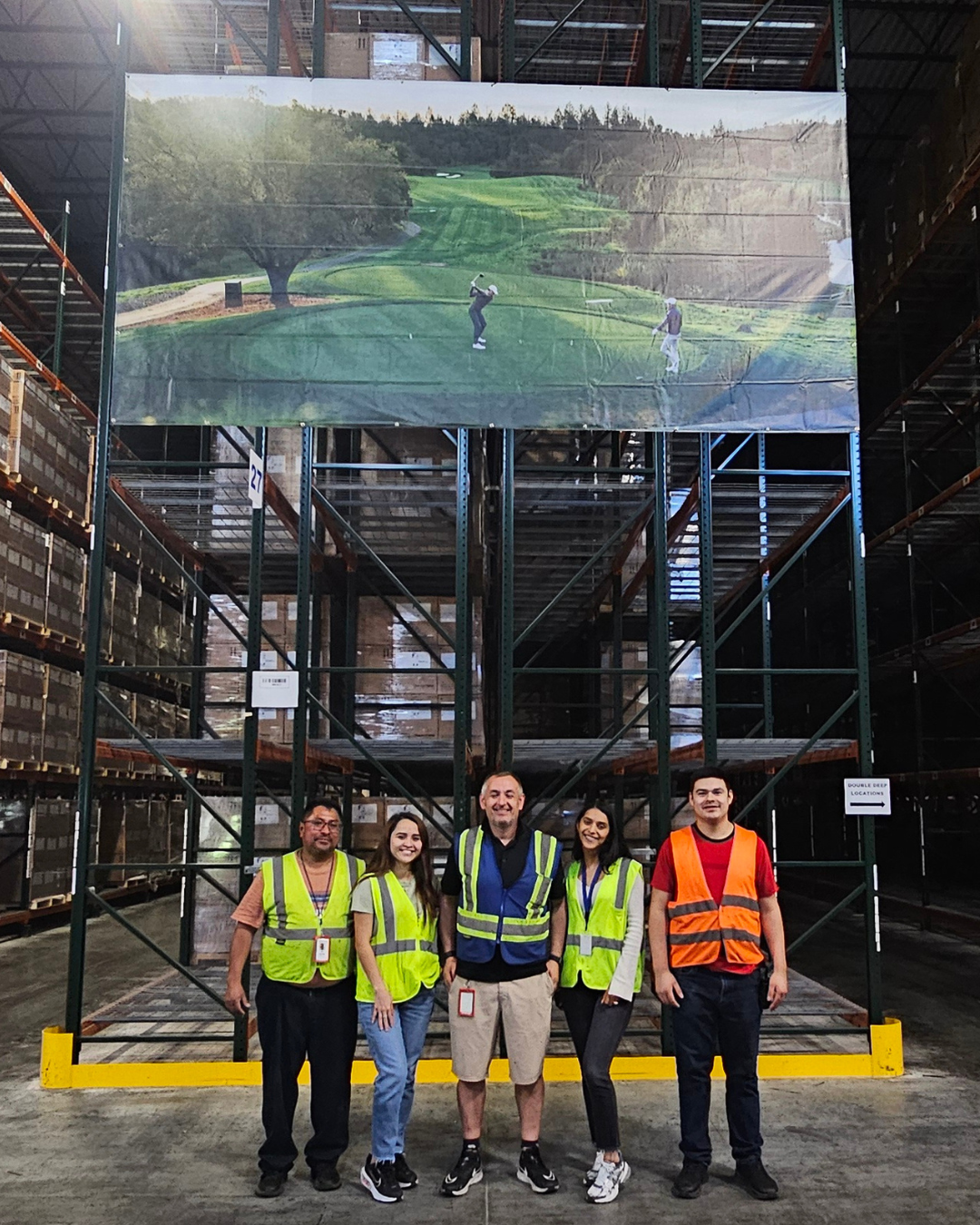
FRANKLIN, Mass., June 10, 2026 — Barrett Distribution Centers , a leading third-party logistics provider specializing in eCommerce fulfillment, announced a new partnership with Holderness & Bourne , a premium lifestyle brand known for its sophisticated men's golf apparel and commitment to quality craftsmanship. "Having worked 伊人直播 previously, I knew they had the experience, flexibility and operational expertise we needed as our business continued to grow," said Sean Eaton , director of operations at Holderness & Bourne. "Their team's responsiveness, strategic location and ability to quickly scale a solution made them the right partner to support our inventory and fulfillment requirements. We're excited to continue building on that relationship as our business evolves." Barrett's extensive experience supporting apparel and accessory brands, combined with its ability to provide scalable warehouse space, technology solutions and managed transportation services, positioned the company to support Holderness & Bourne's expedited onboarding and future growth initiatives. "Barrett is thrilled to step onto the fairway with Holderness & Bourne, a fast-growing premium golf apparel brand with a recognizable name and a loyal following among golfers who know quality when they see it," said Mark Healy , vice president of customer solutions at Barrett. "Holderness & Bourne's commitment to quality and customer satisfaction aligns perfectly with our focus on delivering dependable, flexible and scalable fulfillment solutions. We look forward to supporting their continued growth and serving as a trusted partner for years to come." Holderness & Bourne is now live at Barrett's Hillsborough, N.J., fulfillment facility, where Barrett provides inventory staging and replenishment services in support of the brand's New York operations. Located near Holderness & Bourne's headquarters, the facility offers the space, technology and transportation resources needed to support the brand's continued growth. About Holderness & Bourne Holderness & Bourne is a premium lifestyle brand focused on men’s golf apparel. It was founded around 2015 by Alex Holderness and John Bourne and centers on classic, refined golf-inspired style with modern fit and performance . Discover sophisticated, modern golf apparel crafted with premium fabrics designed for performance and comfort on the course and off. If you’re seeking golf apparel brands that prioritize craftsmanship and timeless design, our commitment to quality and fit speaks for itself. About Barrett Distribution Centers Since 1941, Barrett has provided customized third-party logistics (3PL), direct-to-consumer (伊人直播) eCommerce fulfillment, omnichannel distribution, managed transportation solutions and retail compliance for clients across all industries, with a focus on apparel & footwear, health & beauty, consumer packaged goods (CPG) and education. Barrett continues to be a leading 3PL provider in North America, known for superior execution, customer engagement and direct access to senior leadership decision-makers. As a member of Inc.'s fastest-growing companies list 15+ times, Barrett is big enough to do the job and still small enough to deeply care about your business. Brands interested in a new 3PL partnership may contact Barrett directly here . Media Contact: Faith Artieda Marketing Content Specialist Faith.artieda@barrettdistribution.com